
VFC shares activities and initiatives in farmer outreach and technology transfer toward an integrated, safe and sustainable agriculture sector
Changing mindsets in the use of fertilizers and plant protection products (PPPs), and developing and managing production area codes are fundamental solutions for responsible and sustainable agriculture in the Mekong Delta.
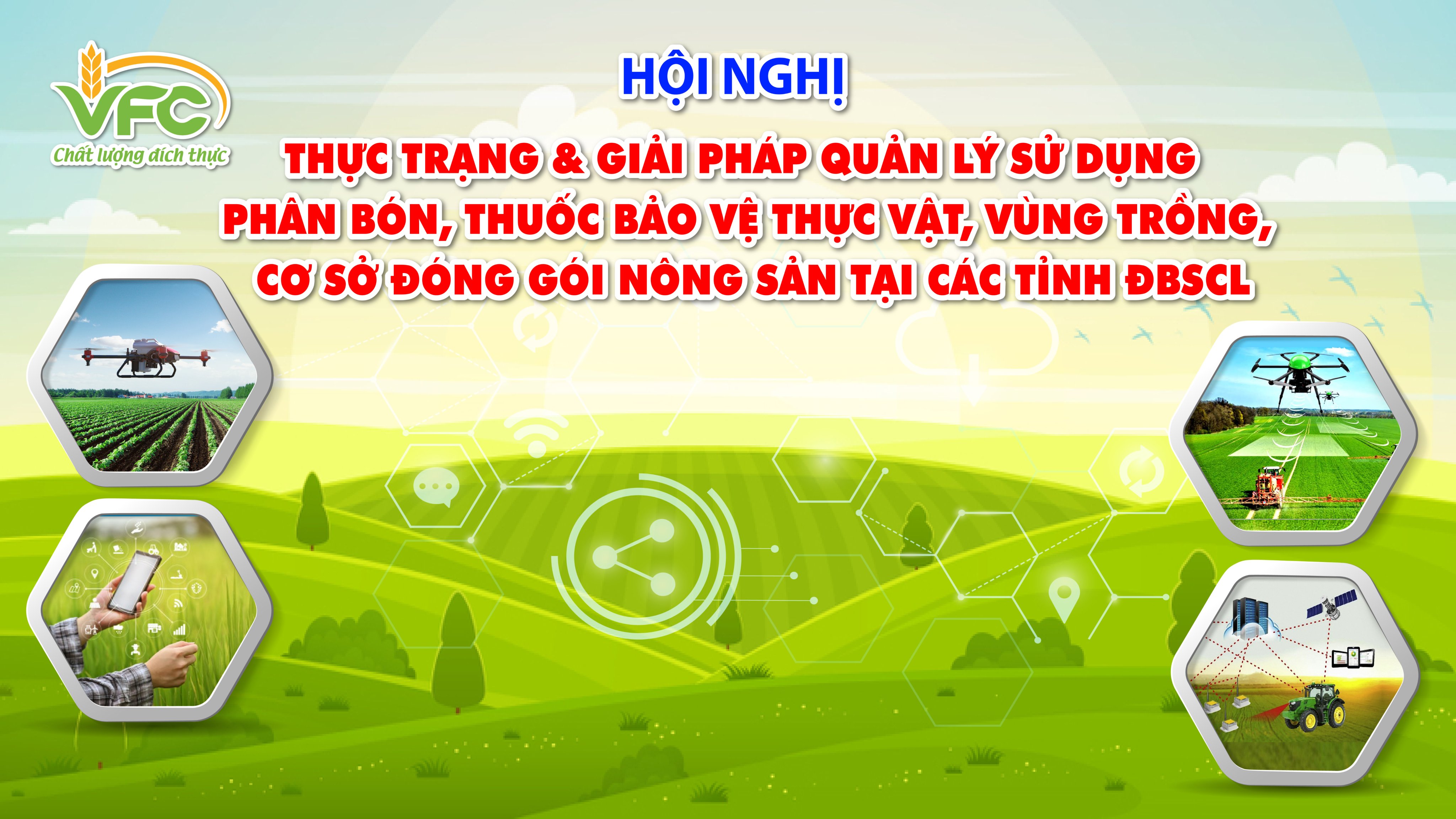
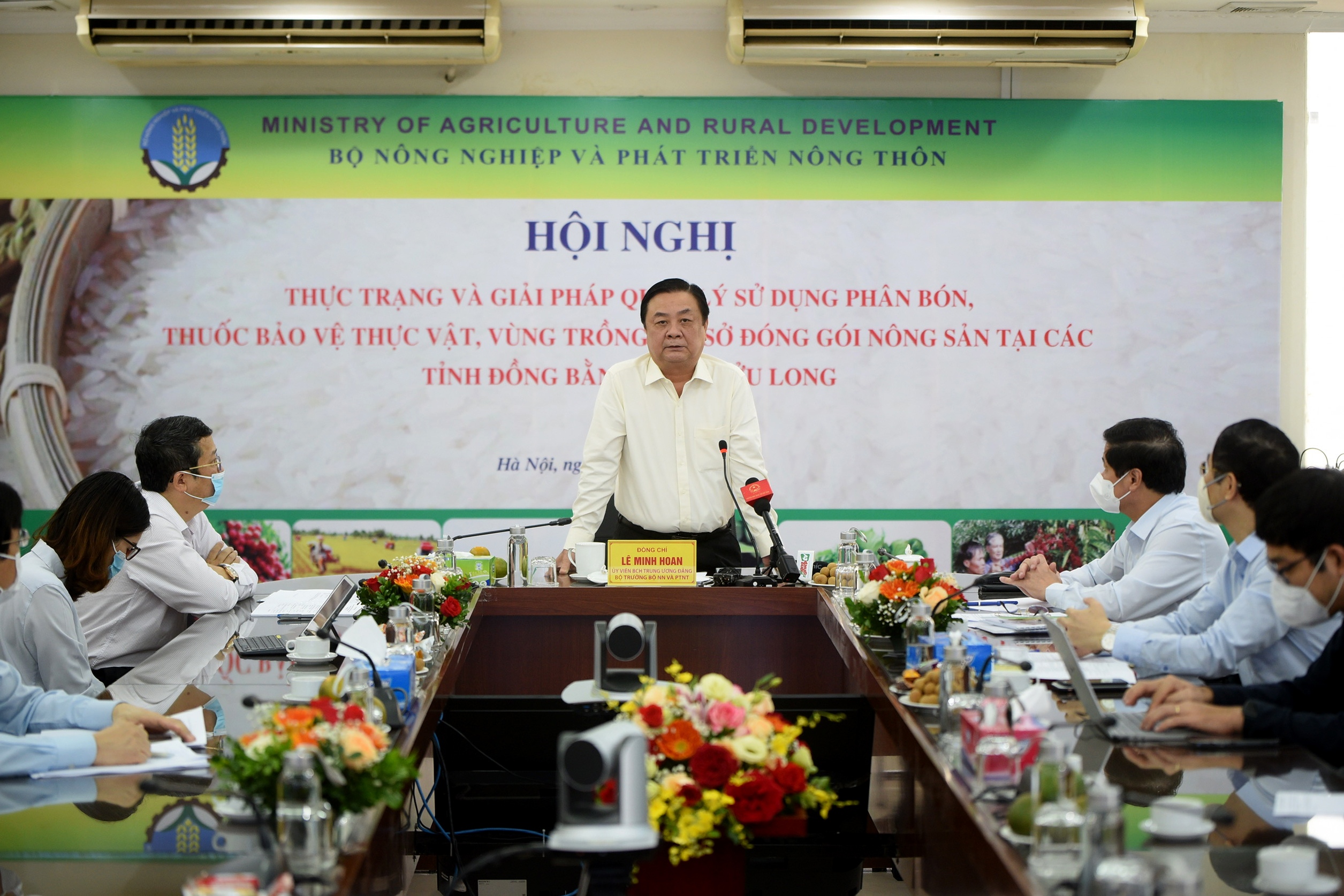
On 27 August, Minister of Agriculture and Rural Development Le Minh Hoan chaired an online conference on the current situation and solutions for managing fertilizer use, plant protection products, production areas and packing facilities for agricultural products in the Mekong Delta provinces, with the participation of experts, local authorities, enterprises and industry associations.
According to Mr. Hoang Trung, Director General of the Plant Protection Department, the Mekong Delta plays a particularly important role in Viet Nam’s socio-economic development, contributing more than 50% of the country’s agricultural output, over 90% of food exports and about 70% of its fruit production.
However, the Mekong Delta is currently facing substantial impacts and challenges from global climate change, together with risks related to food safety, soil and water pollution, which are undermining the competitiveness of its agricultural products in both domestic and international markets.
Specifically, fertilizer and plant protection product use in the Mekong Delta is 35%–40% higher than the national average. For inorganic fertilizers, the national average application rate is 560 kg/ha, while in the Mekong Delta it reaches 754 kg/ha of cultivated area.
Multiple solutions
At the conference, the Plant Protection Department’s report indicated that fertilizer and plant protection product use in Viet Nam in general, and in the Mekong Delta in particular, still presents many shortcomings and limitations, especially wasteful use that reduces efficiency and increases production costs.
The conference assessed the current status and solutions for managing production areas and packing facilities for plant-based agricultural export products to meet importing countries’ requirements, focusing on coordinated measures related to mechanisms and policies supporting production development and the use of organic fertilizers and biological plant protection products, production linkages, land consolidation and the establishment of concentrated production zones.
Concrete solutions include focusing on improving the effectiveness of training for specific target groups such as regulators, businesses and farmers on the rational and efficient use of fertilizers and plant protection products, and on the establishment and management of production area codes and packing facilities in connection with raw material area development and value chain linkages.
In addition, public–private partnership models will be developed to promote sustainable production and trade of key products, and communication, outreach and guidance activities will be strengthened to raise awareness and enhance the responsibility of all stakeholders in the use of plant protection products and fertilizers, and in the management of production areas.
The agriculture sector will encourage the adoption of technical advances in production such as the “3 Reductions, 3 Gains” approach, Integrated Pest Management (IPM), and the use of new-generation, smart and environmentally safe inputs to produce clean, high-quality products that meet import market requirements, together with appropriate phytosanitary treatment measures tailored to Viet Nam’s conditions and infrastructure, thereby supporting market access negotiations.
Furthermore, the sector will leverage resources and experience from developed countries and international organizations, and ensure strong and effective coordination between central and local authorities and enforcement agencies in inspection, supervision and monitoring of compliance with legal regulations.
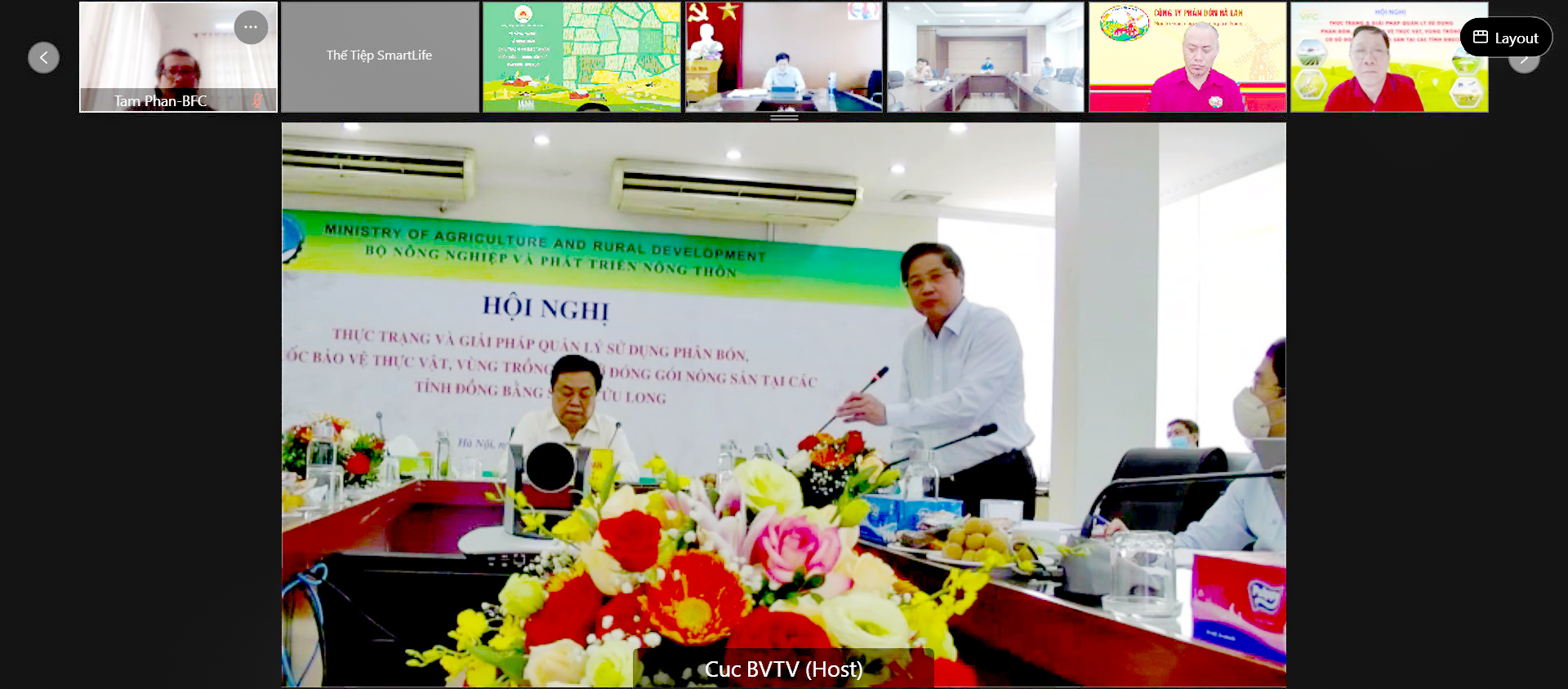
Changing farmers’ perceptions
According to Minister Le Minh Hoan, there are objective reasons why fertilizer and plant protection product use in the Mekong Delta is 35%–40% higher than the national average.
“This is a commodity production area. With a commodity production mindset, high output is required; to achieve high yields, farmers feel they have no choice but to use more fertilizers and more pesticides to avoid disease and maintain or increase production. It is precisely this production mindset that keeps farmers trapped in excessive use of fertilizers and chemicals,” Minister Le Minh Hoan emphasized.
The solution proposed by the Minister of Agriculture and Rural Development is to be persistent in demonstrating to farmers that businesses are ready to accompany them if they are willing to change.
He stressed the need to establish an ecosystem or alliance of enterprises that are responsible toward agriculture, responsible toward farmers, and committed to building a national brand for agricultural products.
According to the Minister, these alliances will sit together with state management agencies to design long-term, more fundamental development strategies, so that successful models can gradually influence farmers’ thinking, convincing them that they cannot continue along the old path but must chart a new one. This new path may be difficult at first, but in practice the models already being implemented have demonstrated their effectiveness.
“Thus, the synergy between state management agencies and a community of responsible enterprises will help form an ecosystem, together with cooperatives and farmers’ associations, when we sit down together to jointly define a clear direction,” Minister Le Minh Hoan emphasized.
Source: Vietnam Agriculture Newspaper (nongnghiep.vn)
 Có thể bạn quan tâm